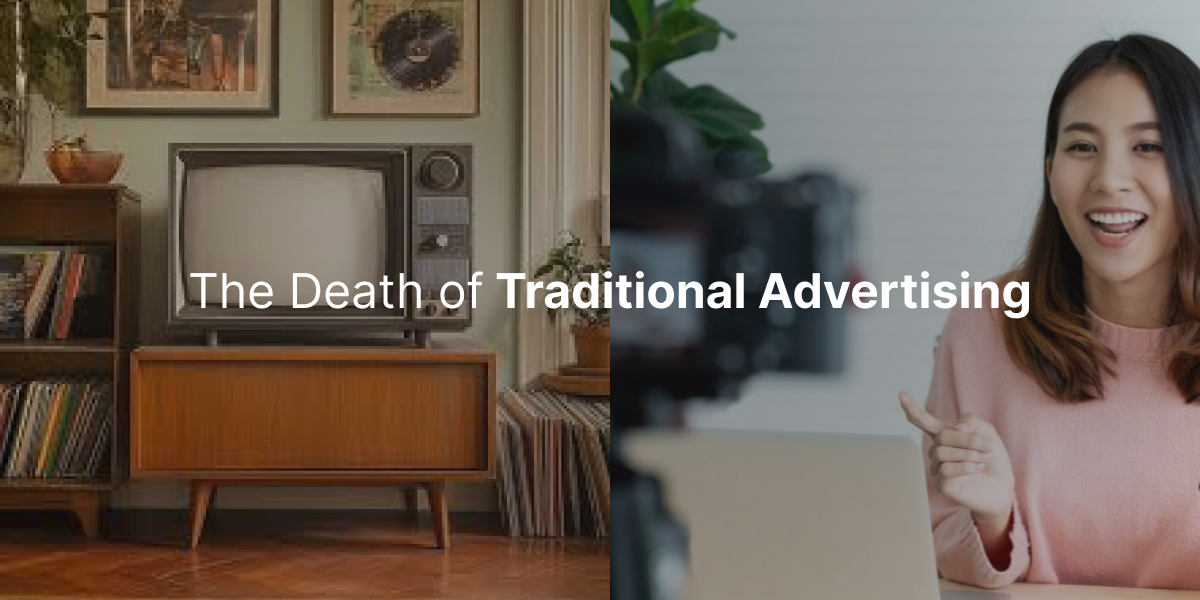
For decades, advertising was one of the most powerful tools businesses used to influence consumer behavior. Brands invested millions in television commercials, radio campaigns, print advertisements, billboards, and later digital banner ads, believing that visibility would naturally lead to trust, and trust would eventually lead to sales. For a long time, that model worked. Consumers had limited access to information, fewer choices, and far fewer ways to validate the claims brands were making. If a company communicated product benefits or highlighted certain features, many consumers accepted those messages at face value. Advertising was not only a communication channel, it was often the primary source of product information.
But that world no longer exists. Today’s consumers live in an environment where information is instant, opinions are public, and experiences are shared in real time. The power has shifted. Brands no longer control the narrative the way they once did because consumer experience now plays a far greater role in shaping brand perception. This shift is fundamentally redefining marketing as we know it.
Modern consumers are exposed to thousands of marketing messages every single day. From social media advertisements to streaming platform promotions, sponsored content, display banners, email campaigns, and influencer partnerships, the marketplace has become saturated with brand messaging. As exposure has increased, trust has declined. Consumers have become highly aware of how advertising works. They understand targeting, retargeting, sponsored placements, and algorithm-driven promotions. They know when they are being sold to, and as a result, skepticism has become a natural consumer behavior.
Traditional advertising is not disappearing, but its influence is weakening. The challenge is no longer getting attention. The real challenge is earning credibility. One of the biggest shifts in modern marketing is the rise of experience-based marketing. While this is not a new concept, premium brands such as Rolls-Royce and Hermès have been practicing it for decades by investing less in traditional advertising and more in curated brand experiences, exclusivity, and emotional connection.
What makes today different is that digital platforms have made experience-based marketing visible at scale. The rise of content creators and online communities has transformed how people discover products, evaluate brands, and make purchasing decisions. Platforms like YouTube, TikTok, Instagram, and Reddit have fundamentally changed the consumer journey.
A strong example of this can be seen with Sony and the Sony FX3. The camera did not become a leading choice among content creators simply because of its technical specifications. It gained credibility because thousands of creators produced real-world content showcasing their experiences, workflows, and results. The market did not just see product features, they saw proof. Instead of listening to what a brand says about itself through advertising, consumers increasingly turn to creators they follow, communities they trust, and people whose experiences feel authentic.
Creators often build relationships before they promote products. They establish credibility through consistency, transparency, and shared values. Their audiences do not simply watch them, they trust them. That trust has become more valuable than reach alone. Today, some of the most effective brand content is not created by agencies or corporate marketing teams. It is created by customers. A product review, an unboxing video, a customer testimonial, a product comparison, or even a simple social media post from a real user can influence buying behavior more than a polished advertisement. This is the true power of user-generated content.
Consumers trust content that feels unscripted, relatable, and genuine. They want to see how products perform in real life, not just how they look in professionally produced campaigns. However, the rise of creators has also introduced a new risk. Many brands work with influencers or content creators without fully considering brand fit. If the person representing the brand does not align with the lifestyle, values, or positioning the brand wants to communicate, it can dilute brand identity and damage long-term perception. Many businesses fall into this trap by prioritizing reach over relevance.
For modern brands, this creates a major strategic shift. Instead of focusing only on creating content, businesses must focus on creating experiences worth sharing. This does not always mean hiring content creators. Brands can shape experiences by partnering with complementary brands, building exclusive communities, hosting curated events, or creating environments where consumers can naturally connect with the brand’s identity.
Before making a purchase today, many consumers check ratings, read reviews, compare opinions, and seek recommendations from others. Platforms such as Amazon, Google, and Trustpilot have made social proof a central part of the customer journey. A product may have excellent advertising, but if it has poor reviews, inconsistent customer feedback, or weak community sentiment, consumers will likely move on. Trust is no longer built only through messaging. It is built through reputation, and reputation is now visible to everyone.
The death of traditional advertising does not mean advertising itself is dead. It simply means its role has changed. Advertising can still create awareness, generate visibility, and drive traffic. But awareness without trust no longer converts the way it once did. In today’s market, the brands that win will not necessarily be the ones that advertise the most. They will be the ones that create experiences people genuinely want to share.